BLUEPRINT EE-002 // HUMAN LEADERSHIP // REV. 01
KRISTEN JOHNSON, MBA
Empowerment Engineer
COACHING FOR LEADERS WHO ARE DONE SECOND-GUESSING THEMSELVES.
You know what you want to say.
You know there’s a conversation you need to have.
You probably even know the decision you need to make.
But somewhere between knowing and doing, something gets jammed.
That’s where I work.
FREE DISCOVERY CONVERSATION // LET’S SEE IF WE’RE A GOOD FIT
You know how to manage.
Now you're being asked to lead.
Your value is no longer measured only by what you can accomplish yourself. It's measured by what you can move forward through other people.
You know the work. You've built credibility. You've earned more responsibility.
But leadership introduces a different kind of pressure.
You have to communicate a direction before every detail is known. Delegate work you could probably do faster yourself. Challenge an idea without damaging the relationship. Advocate for your position when someone with more authority sees it differently.
And sometimes the hardest part isn't knowing what good leadership looks like.
It's trusting yourself enough to practice it when the outcome isn't guaranteed.
That's where leadership stops being a set of concepts and becomes a set of choices.
Create clarity.
Communicate expectations, ideas and direction in a way people can understand and act on.
Build alignment.
Navigate competing perspectives, make your case and move conversations toward productive decisions.
Develop ownership.
Set direction, delegate responsibility and give your team room to perform without taking the work back.
Leadership doesn't
get better in theory.
Protect yourself.
Back down. Defend the idea harder. Overexplain. Say nothing and leave frustrated. Replay the conversation later and think of everything you wish you had said.
Stay in the conversation.
Understand the concern. Clarify what matters. Bring forward the evidence supporting your recommendation. Listen to the other perspective and work toward the strongest decision—not simply winning the argument.
Practice before
the stakes are real.
In coaching, we don't stop at talking about what you should do.
We work through what you would actually say. Then I challenge the idea. Push back. Ask the question you weren't expecting. Introduce the competing priority or uncomfortable response.
We examine where your communication became unclear, where emotion changed your approach, what information strengthens your position and where listening may be more valuable than pushing harder.
Then you take that work back into your actual leadership.
The goal isn't to script every conversation. It's to strengthen your ability to think, communicate and lead when the conversation doesn't follow the script.
Some conversations
need a bigger room.
Say the Thing
How fear changes workplace communication—and how leaders can create clearer, more productive conversations when the stakes rise.
Stop Waiting to Feel Ready
Why capable people delay important moves while waiting for confidence—and how to act thoughtfully before certainty arrives.
No corporate theater.
I don't want an audience politely nodding while mentally answering email.
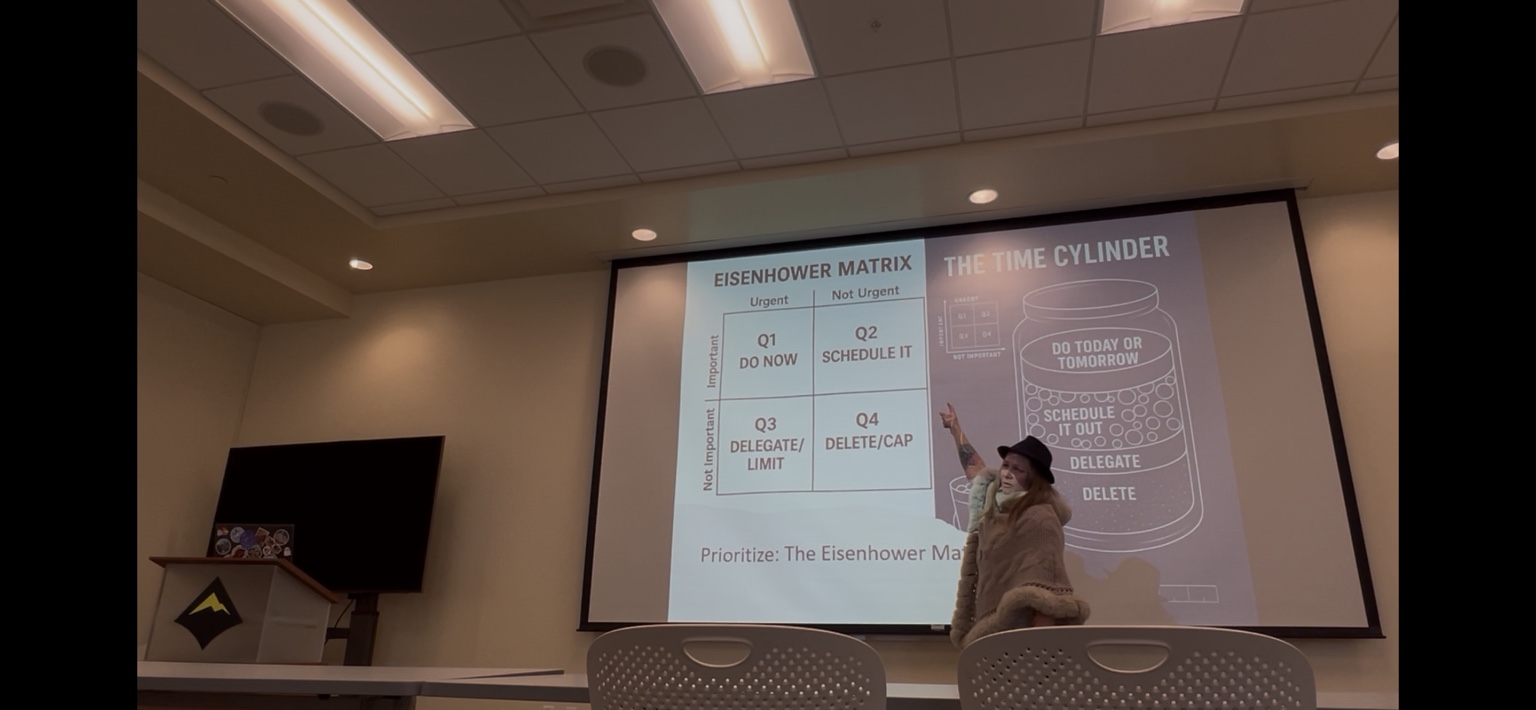
My sessions use real situations, humor, discussion and practical application to get people examining how they communicate, make decisions and respond when leadership gets uncomfortable.
LEADERSHIP DEVELOPMENT // TEAM SESSIONS
Empowerment
Engineer.
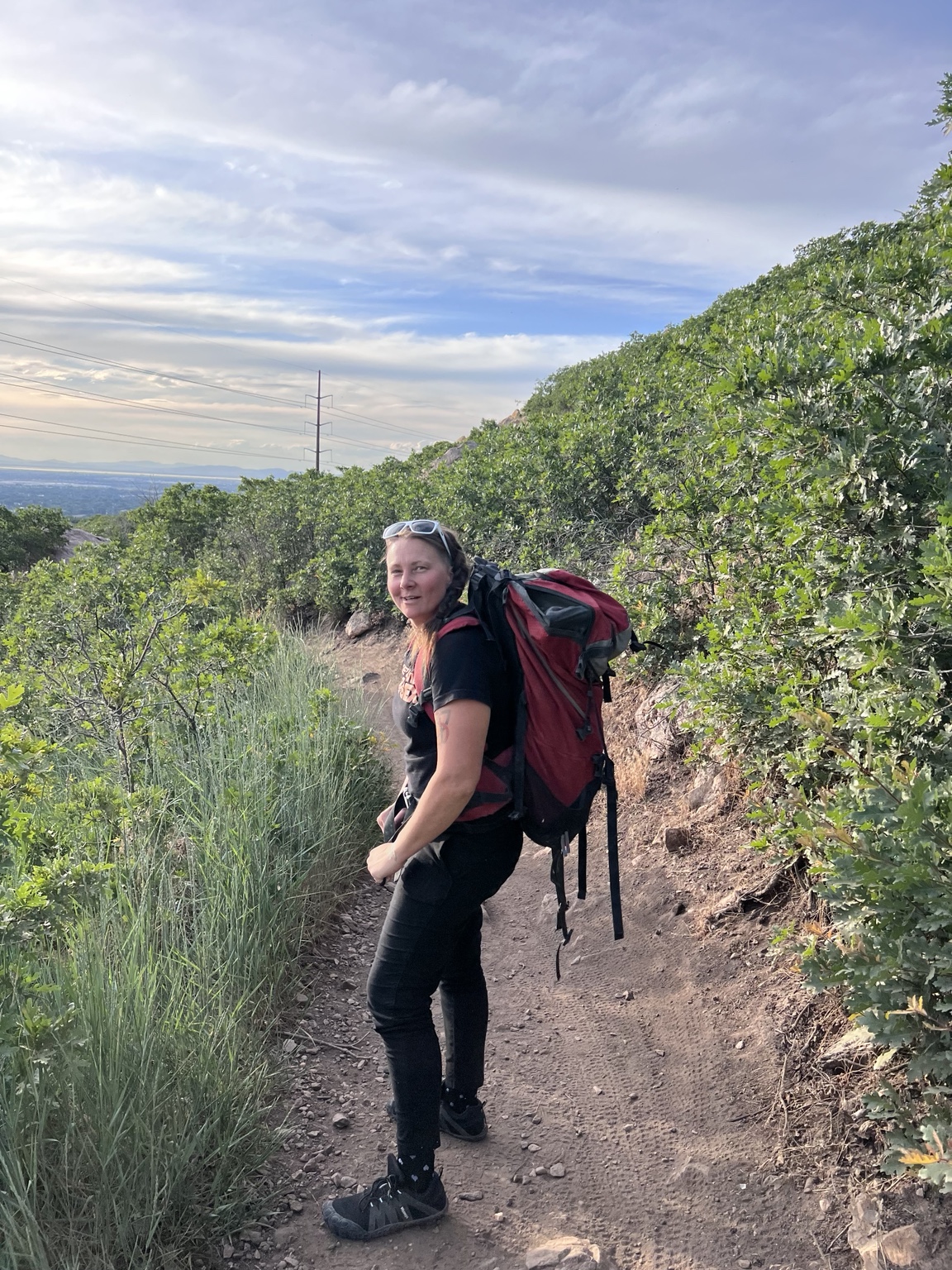
Leadership coach, speaker and unapologetic believer that capable people shouldn't spend their careers waiting for permission to use what they already know.
I didn't learn leadership from the easy rooms.
There was a point in my life when success looked pretty damn unlikely.
I went from high school dropout to MBA graduate. I've worked in male-dominated industries, led teams, built businesses, made decisions I was proud of—and made some expensive ones I would absolutely do differently.
Somewhere in all of that, I stopped believing leadership belonged to the person in the room who sounded the most certain.
Leadership is what happens when the answer isn't obvious and people are still looking to you for what happens next.
That's why I care so much about self-trust.
Not the motivational-poster version. The practical kind. The kind that lets you hear a different opinion without immediately questioning your own. Ask a better question instead of getting defensive. Change your mind when the evidence warrants it. Hold your position when it doesn't.
I don't coach people to become more like me.
I help leaders figure out how they think, communicate and lead at their best—then practice doing it when the situation gets difficult.
What's the conversation
you keep avoiding?
Maybe it's a decision. A disagreement. An opportunity you haven't asked for. A team that needs something different from you.
You don't need to have it figured out before we talk. That's the point of the conversation.